I’ve spent more hours than I care to recall in editorial meetings discussing ideas for investment content. And once an idea has been given the green light, even more time debating how long it should be.
What’s wrong with that, you might ask. Well, it’s a bit like asking how long a song should last or how big a sausage roll should be. It depends on the story, the audience, their appetite and your ability to keep anyone listening beyond the second verse.
The tyranny of the word count
Word counts can kill creativity. You can almost feel an article shrink the moment someone says: “Let’s keep it to 600 words; no one reads long articles anymore.”
That’s the equivalent of telling a great band to fade out every song after two minutes or instructing a painter to stick to post it notes because modern audiences can’t handle big landscapes.
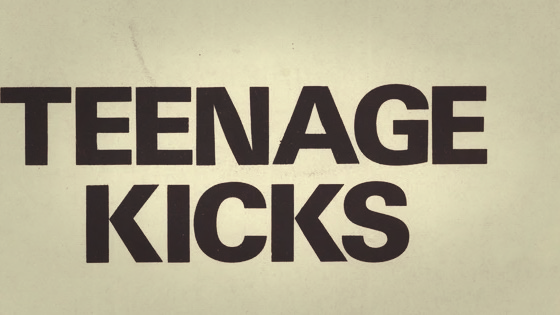
Of course, there can be brilliance in brevity. Teenage Kicks by The Undertones is two minutes and twenty-six seconds of pure punk joy. Not a wasted note or breath. Stretch it to half an hour and it would be unlistenable.
That doesn’t mean everything has to be short. Imagine condensing The Godfather into a TikTok or War and Peace into a tweet. Some stories need time to come to the boil; others work best when they barely have time to cool.
The story should determine the length, not a content calendar, not an SEO consultant and not a blanket rule that treats all subjects as identical.
Do I have your attention?
Popular wisdom says our attention spans are shrinking. Yet the same people who can’t finish a 700-word article can binge ten hours of Succession without blinking. It’s not length that’s the issue, it’s boredom.
A short article that feels rushed or superficial can lose readers before word 200. A well-crafted long-form piece can hold its audience easily past word 2,000. The variable isn’t length; it’s quality.
The obsession with digital metrics has convinced many marketers that content success can be judged by completion rates. But getting to the end doesn’t tell you if the reader cared. You can skim 500 words in under a minute and register as “complete”. That doesn’t mean you were engaged, informed or moved.
When someone spends ten minutes with a feature, shares it or remembers a line a week later, that is surely a better measure of engagement. Quality is the non-negotiable and that isn’t simply a matter of polish. Every paragraph or anecdote must justify its place.
When short sings, when long earns its keep
Short pieces hit hardest when the idea is clean and sharply expressed, like a riff that catches you instantly. But short writing is hard. There’s no space for drift.
Long-form content earns its keep when the subject warrants it, there’s nuance and contradictions to unpack. A good long read doesn’t feel long because the pace and storytelling carry you along. A bad one drags after the second paragraph.
For proof, look no further than writers like Michael Lewis (The Big Short), David Enrich (The Spider Network) or Roger Lowenstein (When Genius Failed). They turn balance sheets, fraud and financial engineering into page-turners, making the complex accessible without dumbing it down.
No-one wants a 300-page monthly fund commentary or novel-length take on the latest Budget, but some topics deserve the time and space to do them justice. The trick is knowing which is which.
The illusion of efficiency
Short-form content gives an illusion of efficiency, the idea that because it’s quick to read, it must be effective. But efficiency and impact aren’t the same thing.
You can deliver information in less than a minute, but meaning can take longer. So instead of asking, “How long should this be?”, ask: “What do I want the reader to feel or do after reading it? How much space does the story need to get there? Am I cutting for the sake of it or because it’s better?”
Answer those questions and the right length will reveal itself. Forget arbitrary word counts. Whether it’s 300 or 3,000 words, the goal is to hit a nerve, not a number. The most memorable content – in journalism, fiction or investment writing – respects the reader’s time by respecting the story.
Short can be sublime. Long can be transformative. The rest is formatting.